

Valentine’s Day: Heart-Healthy Foods for Romance

Valentine’s Day is the perfect occasion to celebrate love while nourishing your heart—both emotionally and physically. Instead of reaching for conventional chocolates and heavy meals, consider these delicious, heart-healthy foods that support cardiovascular wellness and add natural romance to your celebration.

Dark Chocolate: The Romantic Superfood

Dark chocolate with at least 70% cocoa content is rich in flavonoids, and antioxidants that are known to help improve blood flow and lower blood pressure. Unlike milk chocolate, dark varieties contain less sugar and more beneficial compounds that support heart health. Share a few squares with your loved one for a guilt-free indulgence that truly benefits your cardiovascular system.

Strawberries and Berries

These vibrant fruits are packed with vitamin C, antioxidants, and fiber that are known to promote heart health. Strawberries are naturally associated with romance and can be dipped in dark chocolate for a double dose of heart-healthy benefits. Blueberries, raspberries, and blackberries also contain anthocyanins that are known to help reduce inflammation and protect blood vessels.

Wild-Caught Salmon

Rich in omega-3 fatty acids, salmon is known to support heart health by reducing inflammation, and improving arterial function. Prepare a romantic dinner with grilled or baked salmon, seasoned with herbs and lemon for an elegant, nutritious meal that shows you care about your partner’s wellbeing.

Avocados

Creamy and luxurious, avocados provide heart-healthy monounsaturated fats. They’re also rich in potassium, which is known to support healthy blood pressure. Create a beautiful avocado salad or guacamole to share as an appetizer.

Nuts and Seeds

Almonds, walnuts, and pumpkin seeds contain healthy fats, protein, and minerals like magnesium that is known to support cardiovascular function. Walnuts are particularly beneficial with their high omega-3 content. Create a romantic trail mix or sprinkle nuts over a healthy dessert for added crunch and nutrition.

Pomegranates

These jewel-like seeds are bursting with antioxidants that are known to protect the heart and improve blood flow. Sprinkle pomegranate seeds over salads, desserts, or yogurt for a festive, romantic touch that’s as beautiful as it is beneficial.

Leafy Greens

While not traditionally romantic, incorporating spinach, arugula, or kale into your Valentine’s meal provides nutrients that are known to help improve circulation. Create an elegant salad with mixed greens, berries, nuts, and a light vinaigrette for a heart-smart start to your meal.

Garlic and Olive Oil

These Mediterranean staples support heart health through their anti-inflammatory properties. Use extra virgin olive oil and fresh garlic to prepare your Valentine’s dishes for maximum flavor and cardiovascular benefits.

Creating Your Heart-Healthy Valentine’s Menu

Combine these ingredients into a romantic meal that nourishes both body and soul:

Appetizer: Mixed green salad with strawberries, walnuts, and balsamic vinaigrette

Main Course: Grilled salmon with garlic and herbs, roasted vegetables drizzled with olive oil, avocados and quinoa pilaf

Dessert: Dark chocolate-dipped strawberries with pomegranate seeds

Beverage: A glass of pomegranate juice

This Valentine’s Day, show your love by choosing foods that support long-term health and vitality. After all, the greatest gift you can give your partner is many more healthy years together.

Happy Valentine’s Day!

Karen Seremak, ND, BCHHP, MH
Doctor of Naturopathy
Board Certified Holistic Health Practitioner
Master Herbalist

The information shared in this blog is at all times restricted to education and natural health ministry of matters intended for the maintenance of the best possible state of natural health, relaxation and stewardship of the body, and do not involve the diagnosing, treatment or prescribing of remedies for disease.

Winter and the Holidays

Winter and the holidays can evoke a sense of joy and excitement, but sometimes that can lead to feelings of a slump once the holidays are over. Here are a few tips to help cope with the post-holiday and winter blues:

1. Plan Ahead: Embrace the excitement of the season by planning activities that extend beyond the holidays. Consider scheduling outings with friends or family in January and February to keep that spirit alive.

2. Set New Goals: Use the energy from the holidays as motivation to set new personal or professional goals. This can give you something to look forward to and work towards as the excitement fades.

3. Maintain Traditions: Keep some holiday traditions alive, even if they’re smaller in scale. Whether it’s a weekly winter get-together or cooking comfort foods, these rituals can provide continuity and warmth.

4. Stay Connected: Reach out to loved ones after the holidays. Sharing experiences and feelings can help you feel connected and less isolated.

5. Embrace the Quiet: Allow yourself to enjoy the calm after the holidays. Use this time for self-care, relaxation, and reflection. Engage in activities like reading, crafting, or simply enjoying nature.

6. Get Outdoors: Winter can bring beautiful scenery and fresh air. Take advantage of it by going for walks, sledding, skiing, or enjoying a winter hike.

7. Volunteer: Giving back can lift your spirits and connect you with your community. Volunteer at a local charity or participate in food drives.

8. Reflect on the Positives: Think about what you enjoyed during the season and focus on those positive memories. Journaling can help you articulate these feelings.

By implementing some of these tips, you can navigate the transition from the holiday excitement to the quieter winter months with more ease and positivity.

Wishing you a joyful holiday and winter season!

Karen Seremak, ND, BCHHP, MH
Doctor of Naturopathy
Board Certified Holistic Health Practitioner
Master Herbalist

The information shared in this blog is at all times restricted to education and natural health ministry of matters intended for the maintenance of the best possible state of natural health, relaxation and stewardship of the body, and do not involve the diagnosing, treatment or prescribing of remedies for disease.

Embracing Autumn: Preparing for the SAD Season

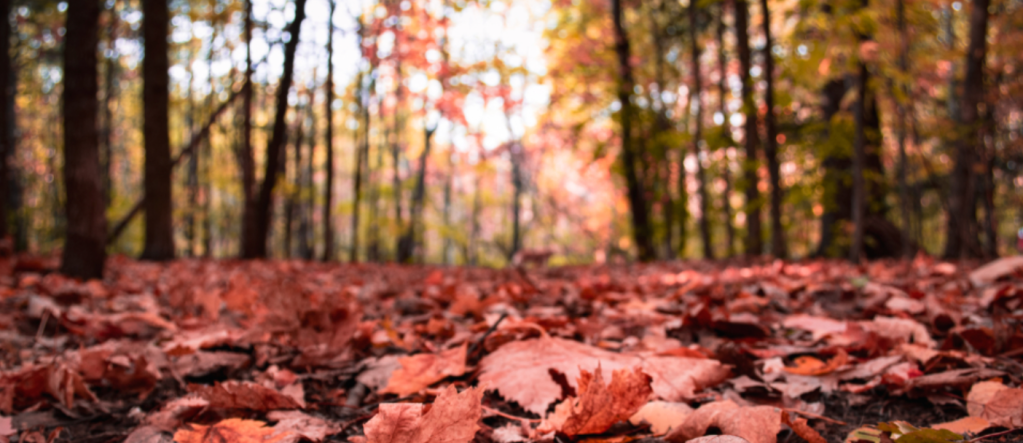
As autumn paints the world in a spectacular array of warm hues, many adults find themselves balancing the beauty of this time of year with the impending challenges of Seasonal Affective Disorder (SAD). As the days shorten and the nights grow longer, it’s natural for our moods to fluctuate alongside the changing seasons. Understanding how to navigate this transition can make all the difference in boosting our well-being during these months.

SAD typically affects individuals during the autumn and winter months when sunlight decreases. Symptoms can include feelings of depression, lethargy, irritability, and a lack of motivation. Recognizing these symptoms early is crucial for taking proactive measures to mitigate their effects.

One of the simplest yet most effective ways to counter SAD is by maximizing exposure to natural light. As the days grow shorter, it can be challenging to get enough sunlight. Consider scheduling outdoor activities, such as brisk walks during lunch breaks or weekends, when the sun is at its peak. Even on overcast days, natural light can uplift our spirits, so bundling up and enjoying the outside world can prove beneficial.

For those who find it difficult to get outside or who work long hours indoors, light therapy is another viable option. A light therapy box mimics natural sunlight, providing an artificial source that can help stimulate serotonin production. It’s typically recommended to use this light for about 20 to 30 minutes each morning. Incorporating this habit can significantly alleviate feelings of sadness and lethargy.

Additionally, nurturing relationships during this season can serve as a powerful antidote to loneliness. Autumn offers a host of opportunities for socialization. Whether it’s hosting a cozy gathering, going apple picking with friends, or enjoying a fall festival, engaging in communal activities allows us to forge connections and share experiences that enhance our overall mood. 

Another critical aspect of managing SAD is maintaining a healthy lifestyle. Physical activity, in particular, is a proven mood booster. As the leaves drop and the temperatures cool, find enjoyable ways to stay active—whether it’s joining a local gym, taking up a new fitness class, or simply opting for outdoor activities like hiking or cycling. Regular exercise promotes the release of endorphins, the body’s natural mood lifters.

Moreover, focusing on nutrition can positively impact mood regulation. Autumn is the perfect time to explore seasonal produce, which tends to be rich in vitamins and nutrients that can support mental health. Incorporate comfort foods like pumpkin, squash, and apples into meals while also prioritizing whole grains, lean proteins, and healthy fats to keep your energy levels steady.

Finally, consider integrating mindfulness practices into your routine. Techniques such as positive thoughts, prayer, or even simple breathing exercises can provide a sense of calm and clarity amidst the hustle and bustle of daily life. Taking time out of your day to focus on yourself encourages a balanced mental state and fosters resilience against seasonal mood swings.

While the transition into autumn and the impending SAD season can be daunting, it also presents an opportunity for self-discovery and renewal. By implementing strategies that prioritize exposure to light, nurture relationships, promote physical activity, emphasize nutrition, and adopt mindfulness practices, we can embrace the beauty of autumn while ensuring our emotional well-being remains intact. This fall, let’s not just survive the season; let’s thrive in it.

Karen Seremak, ND, BCHHP, MH
Doctor of Naturopathy
Board Certified Holistic Health Practitioner
Master Herbalist

The information shared in this blog is at all times restricted to education and natural health ministry of matters intended for the maintenance of the best possible state of natural health, relaxation and stewardship of the body, and do not involve the diagnosing, treatment or prescribing of remedies for disease.